Realisation
We design and build machines and technical systems for demanding applications. From concept to delivery, we guide the entire process, ensuring that a technical design is reliably implemented and performs in practice.
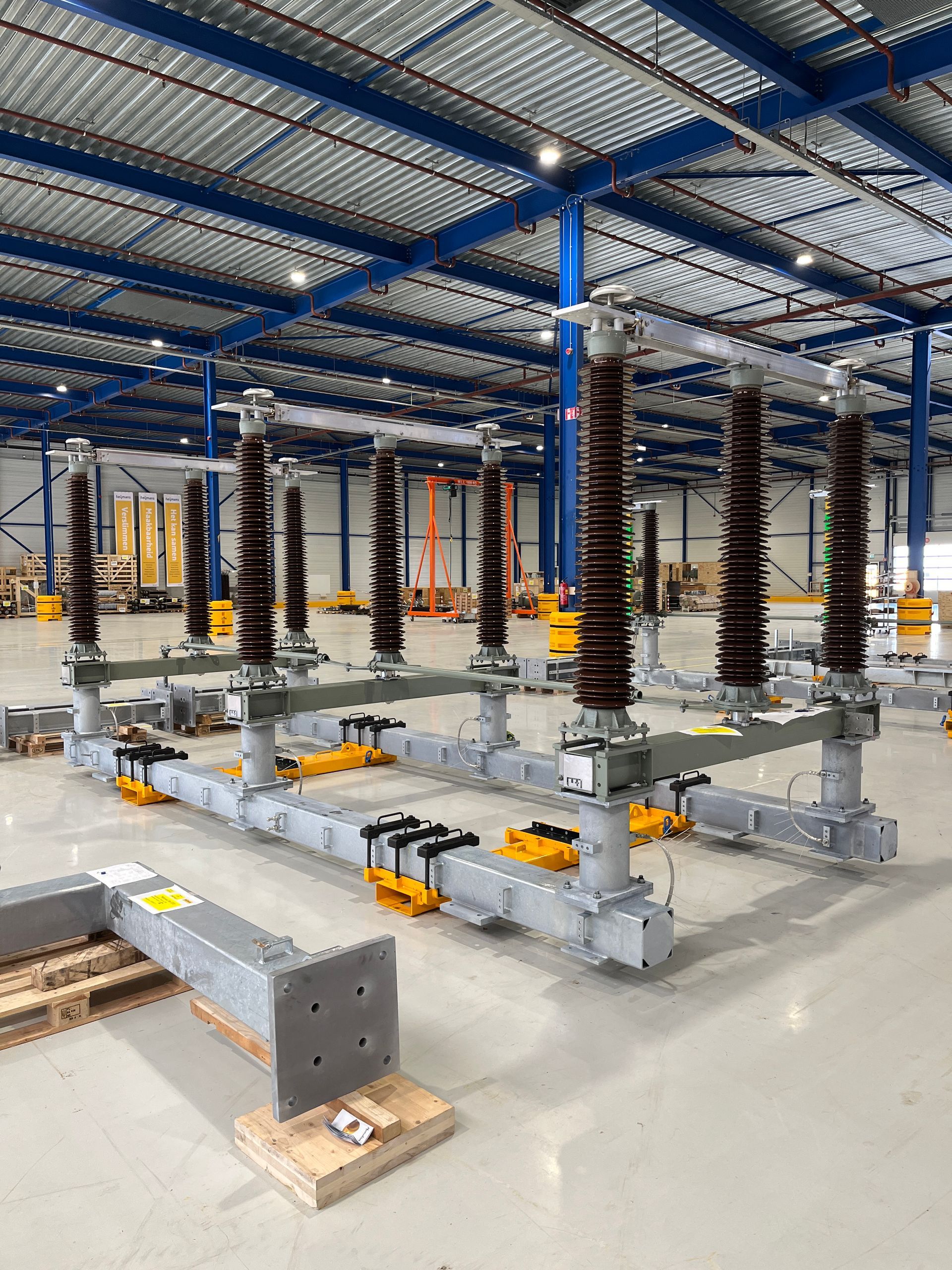
Realization process
A technical design only creates value when it is implemented in a controlled manner. That is why realization involves more than production and assembly alone. Quality, delivery reliability, lead time and costs must remain balanced throughout the entire process. By approaching engineering, procurement, production support and assembly as one integrated process, decisions can be made more quickly and effectively. Specifications, supplier agreements and schedules align more closely with what is technically necessary and practically achievable. This prevents unnecessary iterations, delays and costs that often only become visible at a late stage. Project engineers and project managers gain greater control over progress, budget and technical execution. The result is a realization process in which quality is not checked afterwards, but considered from the outset.
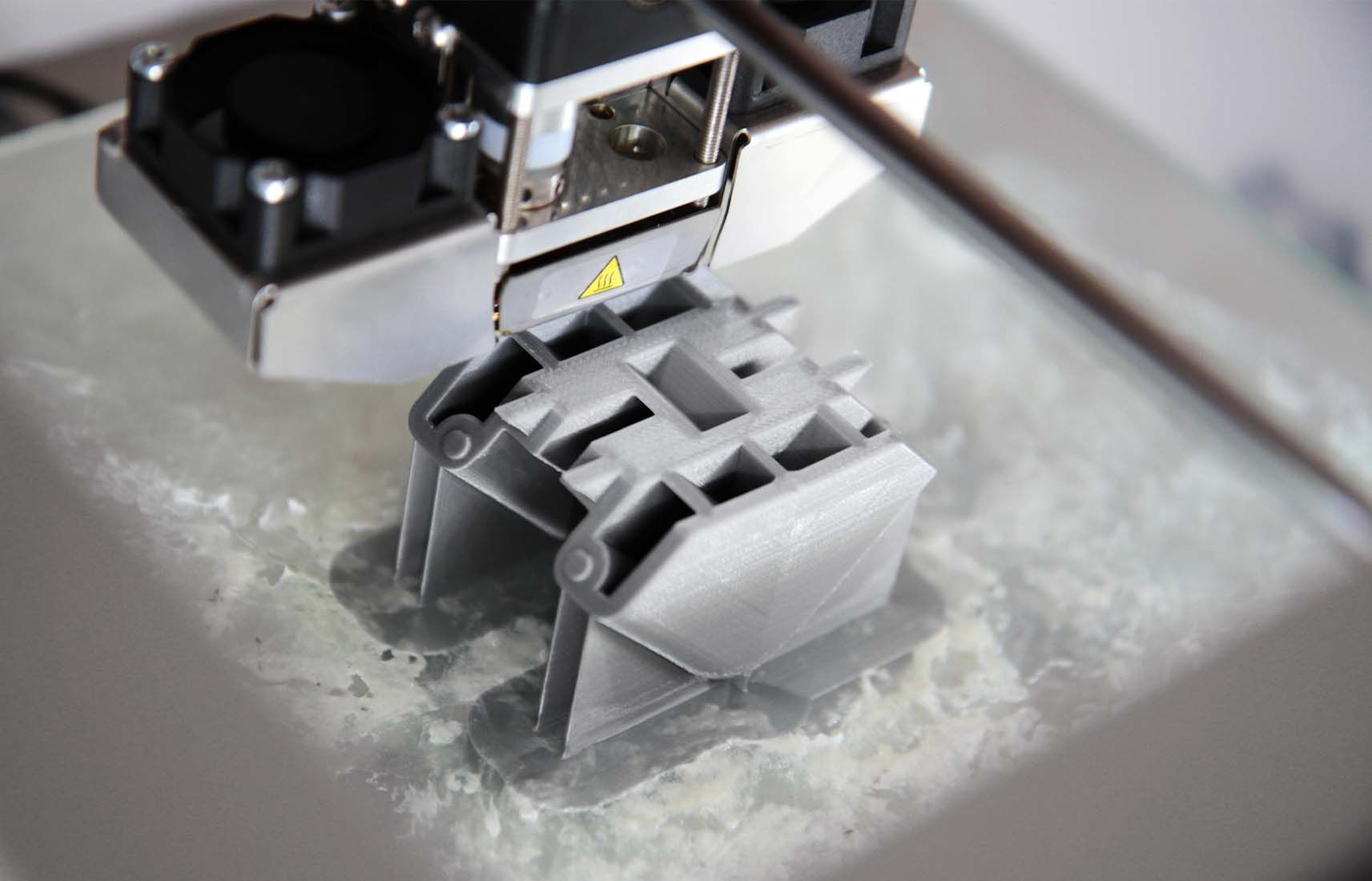
Prototype development and validation
A prototype is an investment in certainty. It shows whether a design meets the requirements for functionality, manufacturability, reliability and cost. By linking prototyping directly to validation, technical risks and areas for improvement become clear sooner. This shortens the path to a robust final product and prevents costly modifications at a later stage. It also provides valuable information for production, assembly, supplier selection and cost optimisation. For companies developing a product, this means greater control over quality and time-to-market. Decisions are based on test results, measurable performance and practical experience from building the product. Prototyping thus becomes not an extra step, but a way to make development more predictable, faster and more cost-effective.
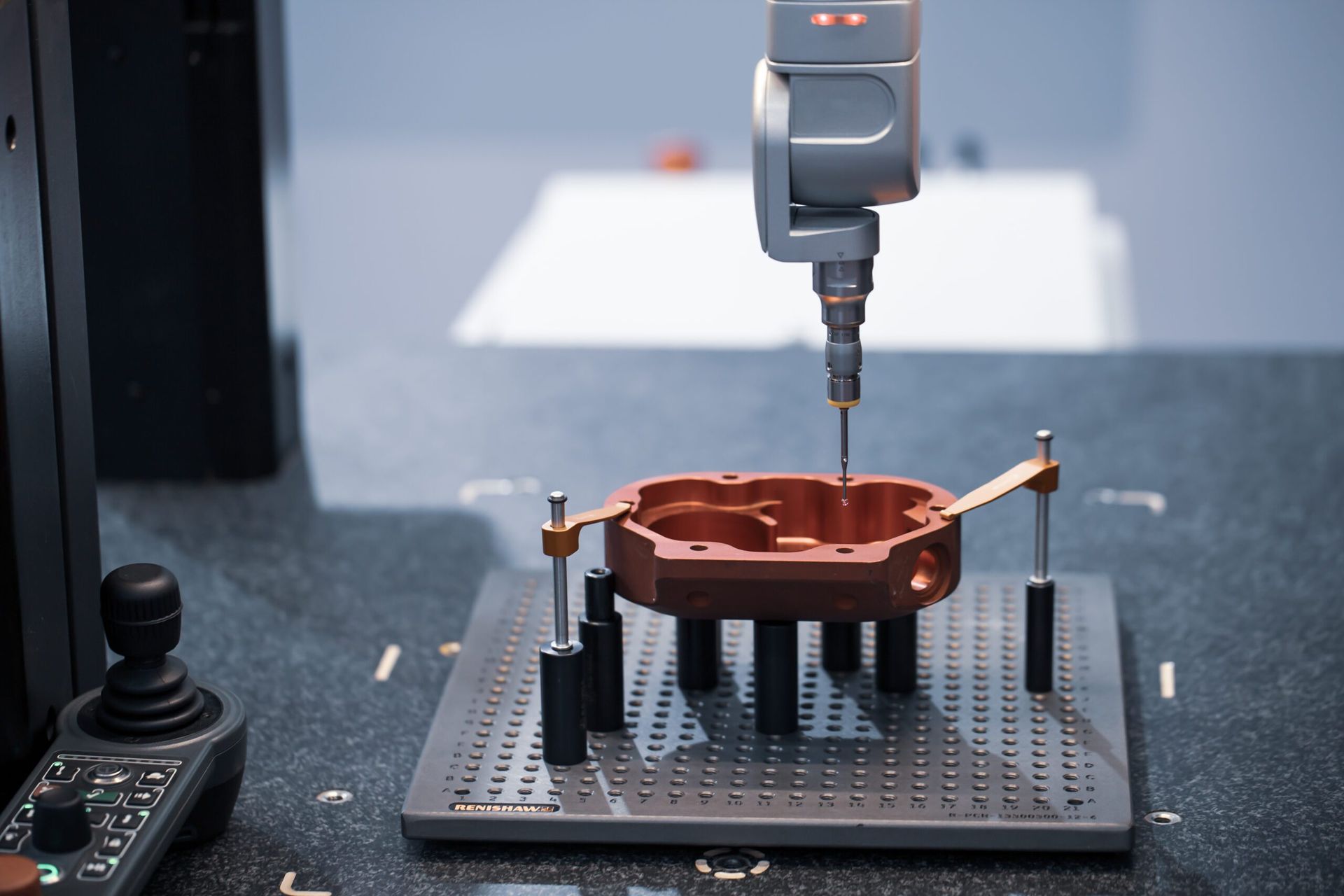
Quality control, testing and commissioning
When production is outsourced, clear specifications are important, but quality control determines the end result. Suppliers must deliver within the required tolerances, schedule, cost and finish quality. By actively supervising production, assembly and testing, deviations remain visible and manageable at an early stage. This prevents delays, rework and disputes at the point when the project should actually be complete. Testing and verification demonstrate whether the machine or product meets the specified requirements. This provides certainty about performance, reliability and readiness for use. For project teams, this means less risk towards handover and greater predictability in schedule and costs. As a result, handover is no longer a final inspection, but the outcome of a controlled process from specification through to acceptance.